
Onsite First Aid Training Cheshire | Workplace Training


For many businesses, arranging first aid training does not have to mean sending employees away to an external training centre.
First aid training can often be delivered directly at your workplace, giving organisations a convenient way to train several members of staff together while reducing travel and disruption to the working day.
For businesses across Cheshire, Ellesmere Port and the surrounding North West, onsite first aid training can also have another important advantage: it gives learners an opportunity to think about how they would respond to an emergency in the environment where they actually work.
The principles of first aid remain the same wherever training takes place, but workplace-specific discussions and realistic scenarios can help employees turn those principles into a practical response.
So, what are the benefits of delivering first aid training at your workplace, and could it be the right option for your team?
What Is Onsite First Aid Training?
Onsite first aid training means an instructor comes to your workplace to deliver the course rather than your employees travelling to an external training venue.
Depending on the course and your premises, this could include:
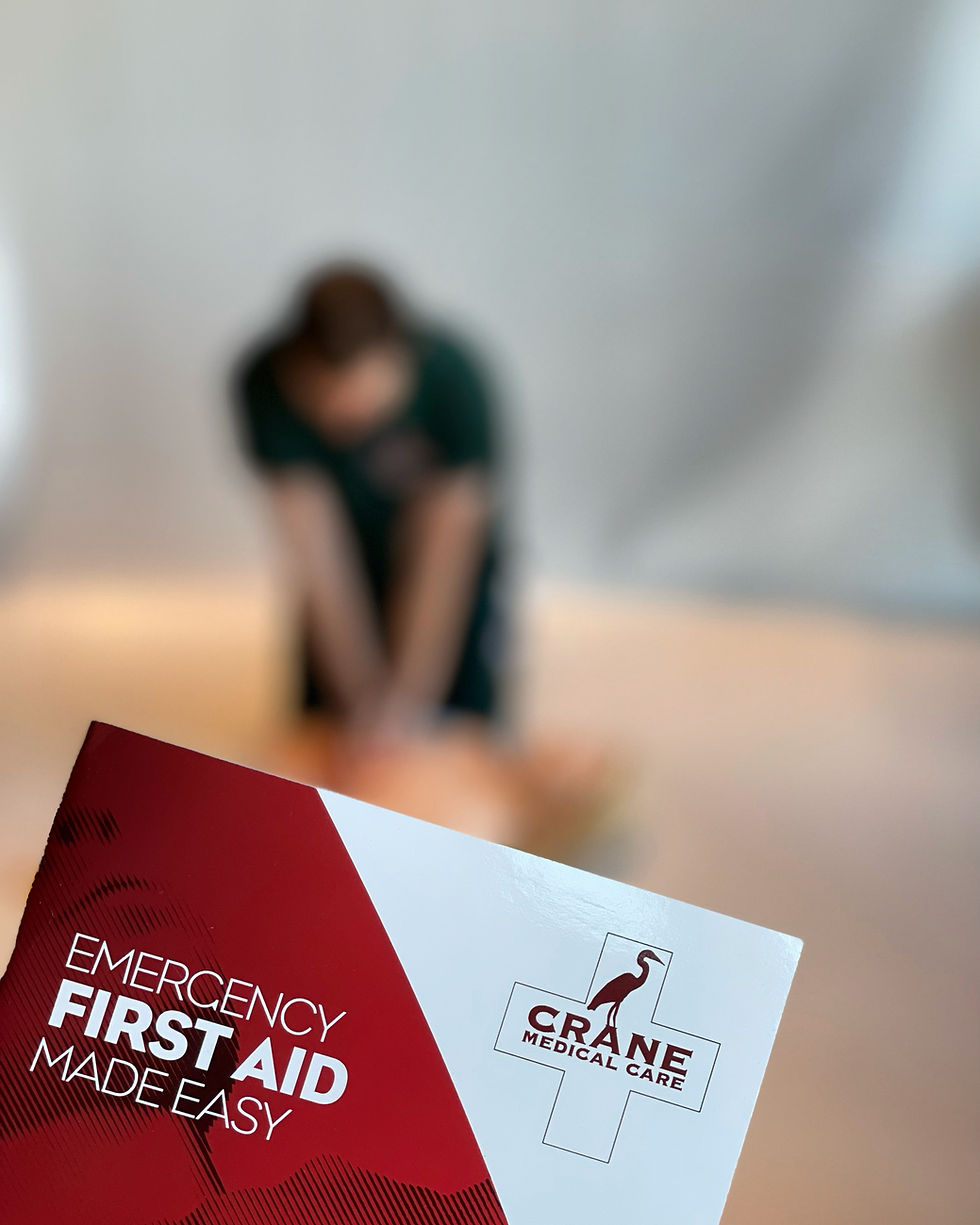
CPR and AED training
workplace-specific practical scenarios
For employers looking for onsite first aid training in Cheshire, this can be particularly useful when several employees need the same training.
Rather than arranging transport, travel time and separate course dates, employees can often be trained together at a suitable space within the workplace.
Why Does Workplace-Specific Training Matter?
Every workplace is different.
An office has a very different layout and risk profile from a warehouse, school, engineering site, hospitality business or manufacturing facility.
The Health and Safety Executive advises employers to assess their own first aid needs by considering factors including workplace hazards, workforce size, working patterns, distribution of employees, previous incidents and how remote the site is from emergency medical services.
That means first aid provision should reflect the realities of the individual workplace rather than relying on a one-size-fits-all approach.
Training delivered onsite can help make those realities easier for learners to visualise.
For example, rather than simply discussing what to do if somebody suffers a cardiac arrest, the instructor may be able to ask:
Where is your AED?
Who would call 999?
Which entrance would the ambulance use?
Who would meet the emergency services?
How would you direct them to the casualty?
Those practical questions can help employees think beyond the classroom and consider how an emergency response would actually work.
Training Around Your Workplace Layout
The layout of a workplace can make a significant difference during an emergency.
Consider the difference between:
a small office
a multi-storey building
a large warehouse
a manufacturing facility
a school
a hospitality venue
a site made up of several separate buildings
In a small workplace, reaching a casualty or collecting an AED may be relatively straightforward.
In a larger site, the first aider may need to travel a considerable distance, navigate restricted areas or communicate the casualty's location to colleagues and emergency services.
This is particularly relevant for larger warehouses, engineering businesses and manufacturing sites where teams may be spread across different operational areas.
Onsite training can encourage employees to consider whether their current emergency arrangements work effectively in practice.
Practising With Your Own AED Location in Mind
Knowing how to use an AED is an important first aid skill.
But employees also need to know where their workplace AED is located.
During onsite training, instructors can encourage learners to identify:
where the AED is kept
how quickly it can be accessed
whether employees know its location
whether signage is clear
who would collect it during an emergency
These may sound like simple considerations, but when somebody suddenly collapses, delays caused by uncertainty can matter.
Workplace training provides an opportunity to connect practical CPR and AED skills with the organisation's actual emergency arrangements.
First Aid Training for Warehouses and Manufacturing Sites
Onsite training can be particularly useful within more operational environments.
Warehouses, logistics businesses, engineering sites and manufacturing workplaces may include hazards associated with:
machinery
manual handling
moving vehicles
loading areas
tools
burns
cuts and bleeding
large workspaces
isolated areas
HSE guidance advises employers with higher-level hazards, including dangerous machinery or specialist risks, to consider whether they need trained first aiders, additional training, extra equipment or specific first aid facilities.
Delivering training at the workplace can make it easier to relate first aid discussions to these real risks without relying entirely on generic scenarios.
For example, learners might discuss how they would safely approach a casualty in an operational area before providing first aid.
The purpose is not to recreate every possible incident, but to help employees apply first aid knowledge within a realistic context.
First Aid Training for Offices and Professional Workplaces
Onsite training is not only useful for higher-risk environments.
Office-based teams can still encounter serious medical emergencies including:
cardiac arrest
choking
seizures
unconsciousness
sudden illness
falls
minor injuries
Training at the workplace can help employees consider issues such as AED access, building entry arrangements, multiple floors and how emergency services would reach the correct part of the premises.
It can also be convenient for businesses that want to train several employees together without losing additional working time through travel.
First Aid Training for Schools, Hospitality and Customer-Facing Organisations
Some workplaces are responsible for environments where employees regularly interact with customers, visitors, pupils or members of the public.
This can include:
schools
hotels
restaurants
leisure facilities
retail businesses
visitor attractions
community organisations
The First-Aid Regulations apply to employees, although HSE strongly recommends that employers consider non-employees when completing their first aid needs assessment.
For customer-facing organisations, this may make the practical context of first aid particularly important.
Learners may need to think about managing an incident while other customers or members of the public are nearby, communicating with colleagues and maintaining access for emergency services.
Can Emergency First Aid at Work Be Delivered Onsite?
Yes, Emergency First Aid at Work (EFAW) can be delivered at a suitable workplace provided the environment supports the training requirements.
EFAW is typically a one-day course covering essential emergency first aid skills such as:
assessing an incident
CPR
AED use
managing an unresponsive casualty
choking
bleeding
shock
minor injuries
For businesses training several nominated first aiders, delivering the course onsite can be a practical option.
What About First Aid at Work?
First Aid at Work (FAW) is a more comprehensive workplace first aid qualification.
It includes core emergency first aid skills alongside training relating to a wider range of illnesses and injuries.
Whether your organisation needs EFAW, FAW or another level of provision should be informed by your first aid needs assessment.
HSE guidance makes clear that there is no single fixed level of first aid provision for every workplace. Employers should determine what equipment, facilities and personnel are appropriate based on their individual circumstances.
If you are unsure which course your organisation requires, reviewing your first aid needs should be the starting point.
Can Refresher Training Be Delivered at Your Workplace?
Yes.
Refresher training can work particularly well onsite because employees already have existing first aid knowledge and the session can place more emphasis on practical skills and realistic scenarios.
For example, refresher training may include:
CPR and AED use
recovery position
choking
bleeding
casualty assessment
common medical emergencies
workplace-specific scenarios
If your workplace has changed since employees originally completed their training, refresher sessions can also provide an opportunity to consider those changes.
Perhaps you have:
moved premises
installed a new AED
changed your workplace layout
introduced different machinery
expanded into another building
changed your internal emergency procedures
Your first aid arrangements should continue to reflect how your organisation actually operates.
What Space Do You Need for Onsite Training?
You will normally need a suitable area where learners can take part safely and comfortably.
The exact requirements will depend on the course, but it may include enough room for:
learners to sit during teaching
practical demonstrations
CPR manikins
floor-based activities
group scenarios
training equipment
Before arranging first aid training at your workplace, speak to the training provider about the number of learners and the facilities available.
If your premises are not suitable, an external training venue may be a better option.
Can Onsite Training Reduce Disruption?
For many organisations, yes.
If employees attend training elsewhere, the true time away from work can include:
travelling to the venue
parking
delays
returning to the workplace afterwards
With onsite training, the course takes place where your team already works.
This can make group training easier to organise, particularly for businesses training several employees at once.
It can also simplify logistics for businesses operating around Ellesmere Port, Cheshire and Wirral where sending a larger group to an external training centre may be less convenient.
Is Onsite Training Right for Every Business?
Not necessarily.
An external training venue may still be more appropriate if:
you only need one person trained
your workplace does not have a suitable training space
you prefer employees to attend a public course
operational activity would make training difficult
the course requires facilities that cannot be provided onsite
The best option depends on your team, premises and training requirements.
For organisations with several learners, however, workplace delivery can offer a convenient and practical alternative.
Onsite First Aid Training in Cheshire
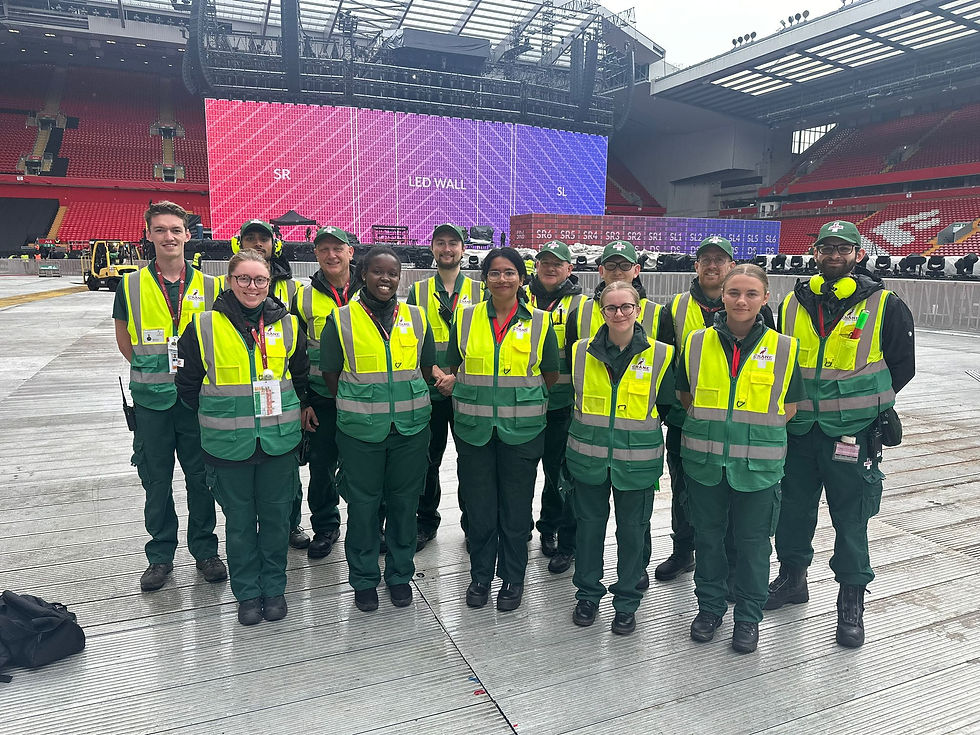
Crane Medical Care provides practical workplace first aid training across Cheshire, including Ellesmere Port, Chester and surrounding areas, as well as Wirral and the wider North West.
Based in Ellesmere Port, our training team can deliver courses at suitable client premises, helping businesses train employees within their own working environment.
Available training includes:
Emergency First Aid at Work
First Aid at Work
First Aid Refresher Training
Bespoke First Aid Training
Where appropriate, training can incorporate practical scenarios and discussions relevant to your workplace, equipment and emergency arrangements.
For organisations looking for onsite first aid training in Cheshire or first aid courses in Ellesmere Port, our team can discuss your requirements and help you identify a suitable training option.
Bring First Aid Training to Your Workplace
First aid training does not always have to take place in an external classroom.
For many organisations, training employees at their own workplace can reduce disruption while helping learners connect first aid skills with the environment in which they may actually need to use them.
From knowing where the AED is located to understanding which entrance an ambulance should use, practical workplace context can help teams feel better prepared if an emergency occurs.
Contact Crane Medical Care today to discuss onsite first aid training for your team across Cheshire, Ellesmere Port, Wirral and the wider North West.
This article provides general information about workplace first aid training. Employers should complete their own first aid needs assessment and refer to current HSE guidance when determining appropriate first aid provision.

Comments